
Build Closer: Smarter Sourcing for Lower-Impact Finishes

Proximity as a Design Strategy
01
From Miles to Meaning
Shorter routes can reshape priorities, turning distance into a metric that influences color, texture, and durability. Designers who prioritize proximity often uncover unexpected options, like regionally quarried stone with nuanced veining, or locally milled ash that patinas beautifully. These decisions extend beyond aesthetics, reinforcing repairability, simpler warranties, and relationship-based support when inevitable issues arise, ultimately transforming the project narrative from generic sourcing to an authentic, location-specific material journey clients can proudly share.
02
The Ripple Effect of Shorter Routes
Reducing transport distance often cascades into secondary benefits: less packaging required to withstand long hauls, fewer transfers that risk damage, and more predictable delivery windows. Projects that optimize for proximity typically see fewer rush shipments and costly reorders. Local drivers know the roads, regional warehouses know the seasonality, and small adjustments in palletization become easier. These practical improvements are not just operational efficiencies; they support a lower-impact, calmer construction process that benefits everyone on site.
03
Place, Heritage, and Identity
Local finishes carry stories of crafts, landscapes, and climates. A hallway lined with regionally sourced timber can echo familiar forests; a lobby clad in nearby stone can reference geological narratives visitors recognize. This sense of belonging enriches brand identity for commercial projects and fosters long-term stewardship in residential work. By aligning material provenance with community heritage, you create emotional durability, reducing churn, replacement, and regret, while anchoring the design within a cultural and ecological continuum that resonates powerfully.
Mapping Nearby Supply Ecosystems
Beyond Distance: Measuring Real Environmental Footprint
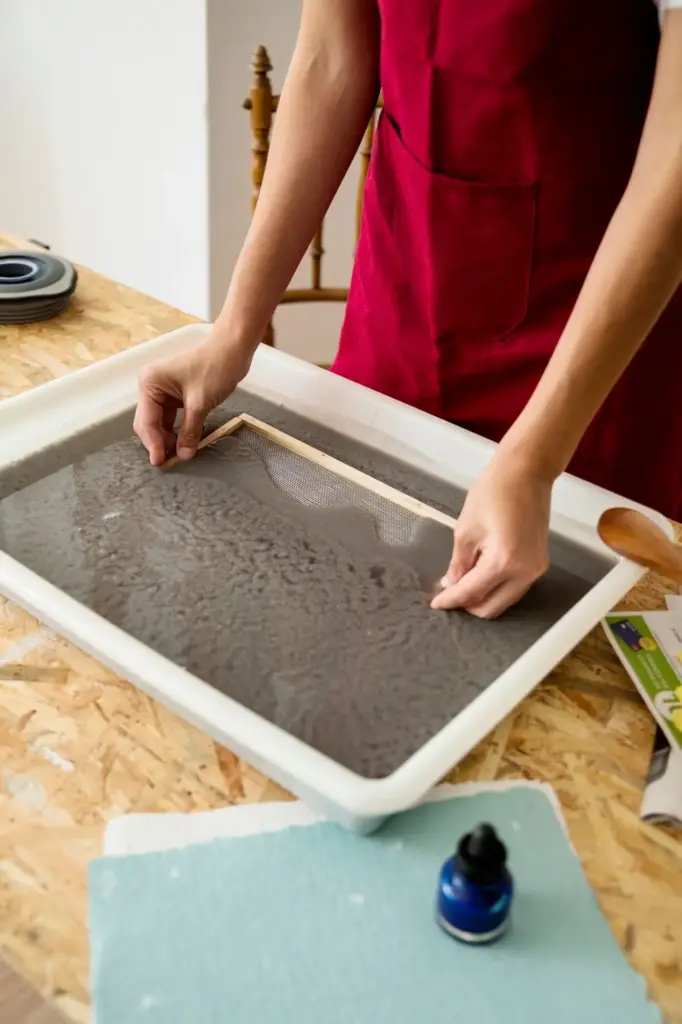
Material Playbook: Regional Options That Shine
Wood and Agrifiber Panels
Seek regionally milled hardwoods, engineered substrates with low-emitting resins, and veneers that celebrate nearby species. Consider sawmill offcuts for custom slats, and agrifiber panels pressed from crop residues that would otherwise be wasted. Repairability, refinish potential, and modular attachment details reduce churn. Coordinate with finishing shops to verify stain systems suited to local humidity. When vendors can drive to the site to troubleshoot, delays shrink, quality rises, and your detailing evolves with practical, hands-on insights that books rarely capture.
Stone, Clay, and Mineral Finishes
Local stone yards and quarries often offer remnants perfect for thresholds, stair nosings, or reception desks. Clay-based plasters and mineral paints adapt to temperature swings, enabling breathable envelopes that reduce cracking. Verify salt content, curing times, and installer experience to avoid callbacks. Mineral finishes age gracefully, telling subtle stories through patina rather than premature failure. By pairing regional geology with skilled craftspeople, you create surfaces that feel grounded, require fewer touch-ups, and stand resilient amidst daily wear and cleaning cycles.
Coatings, Adhesives, and Repair Cycles
Choose regional powder coaters with robust pretreatment lines to extend metal life, and adhesives formulated for local substrates that avoid over-engineering. Design for refinishing: removable kickplates, sacrificial layers, and easily replaced trim minimize waste. Keep a repair kit sourced from nearby distributors to handle scuffs without delays. By planning maintenance paths during design, you reduce emergency shipments, lower downtime for occupants, and maintain consistent appearances, all while deepening relationships with nearby shops who can respond quickly when needed.
Working with Regional Makers and Manufacturers
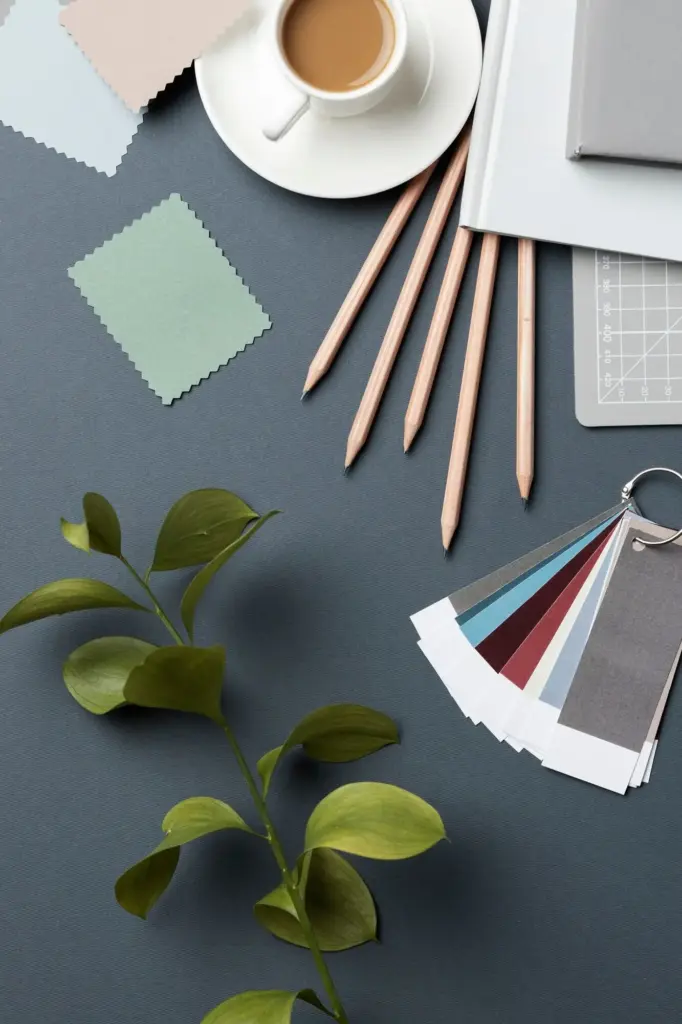
Build Relationships Early and Often
Hold discovery calls during concept design, not after pricing. Ask fabricators what they do brilliantly, where they struggle, and how your details could fit their flow. Share mood images and functional priorities rather than rigid prescriptions. When a mill suggests a standard panel width that saves offcuts, embrace it. Small concessions often yield big gains in cost, time, and waste reduction. Frequent check-ins transform vendors into collaborators who anticipate needs, flag risks, and show up when schedules tighten unexpectedly.
Co-Create Specifications and Mockups
Hold discovery calls during concept design, not after pricing. Ask fabricators what they do brilliantly, where they struggle, and how your details could fit their flow. Share mood images and functional priorities rather than rigid prescriptions. When a mill suggests a standard panel width that saves offcuts, embrace it. Small concessions often yield big gains in cost, time, and waste reduction. Frequent check-ins transform vendors into collaborators who anticipate needs, flag risks, and show up when schedules tighten unexpectedly.
Shared Risk, Shared Wins
Hold discovery calls during concept design, not after pricing. Ask fabricators what they do brilliantly, where they struggle, and how your details could fit their flow. Share mood images and functional priorities rather than rigid prescriptions. When a mill suggests a standard panel width that saves offcuts, embrace it. Small concessions often yield big gains in cost, time, and waste reduction. Frequent check-ins transform vendors into collaborators who anticipate needs, flag risks, and show up when schedules tighten unexpectedly.
Budget, Schedule, and Procurement Tactics That Support Proximity
True Cost, Not Sticker Price
Lead Times, Buffers, and Sequencing
Contracts That Reward Proximity

All Rights Reserved.